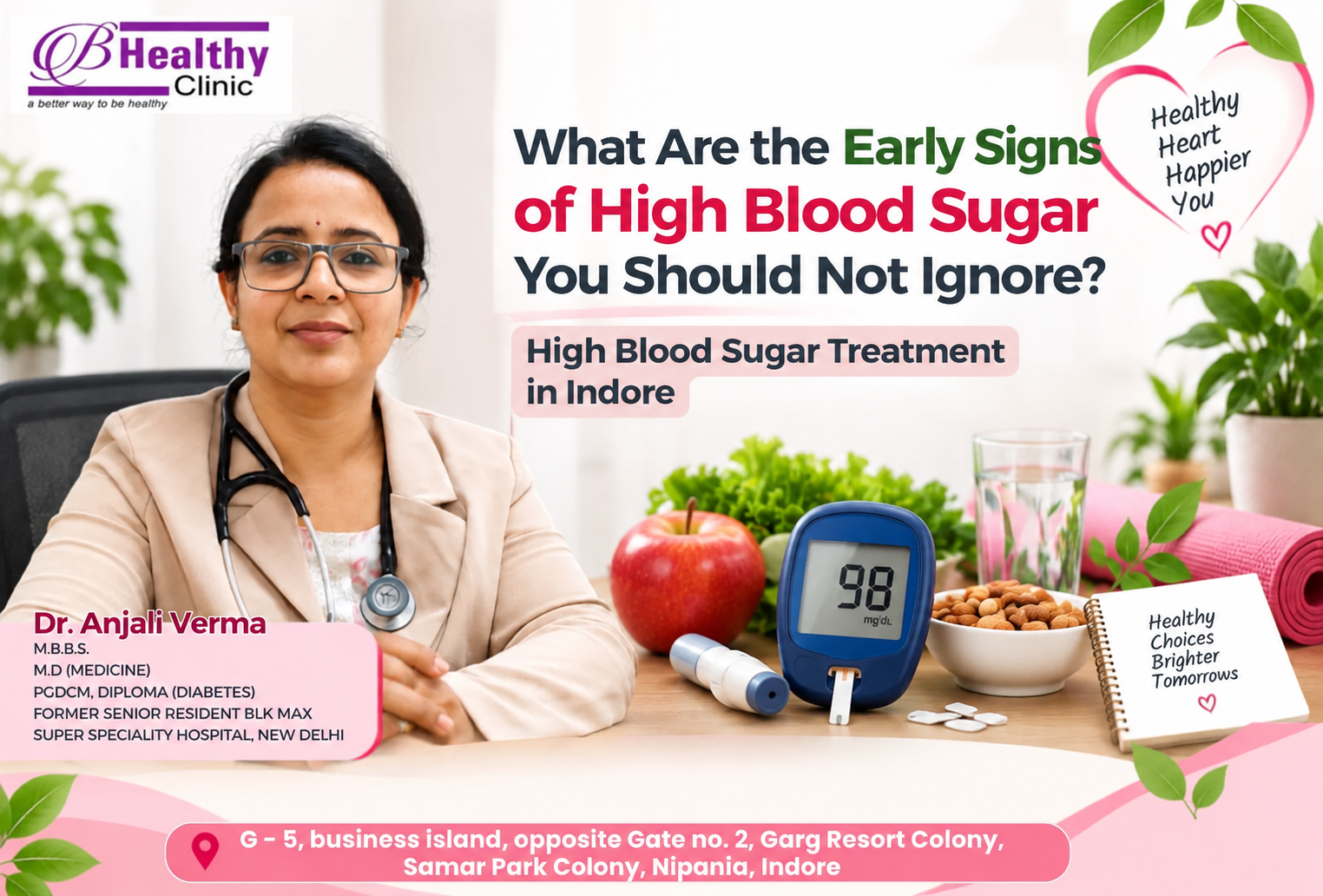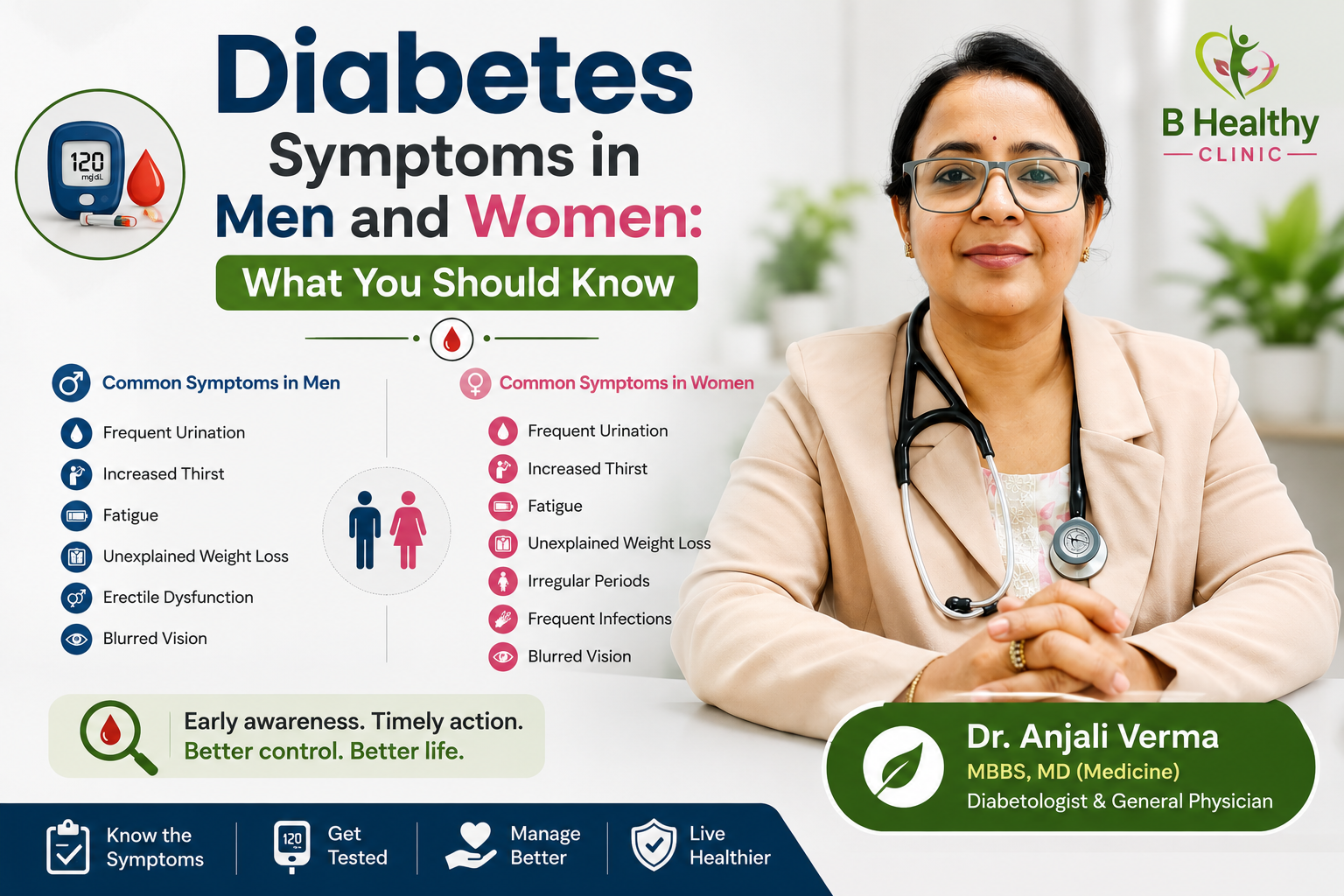
High blood sugar, also called hyperglycemia, happens when too much glucose (sugar) stays in your blood. Glucose gives your body energy, but your body needs insulin to help move it from your blood into your cells. When insulin does not work properly or your body does not make enough of it, blood sugar levels can rise. The early signs of high blood sugar are sometimes easy to miss. You may feel thirsty more often, visit the bathroom frequently, feel tired throughout the day, or notice that your eyesight becomes blurry. Some people do not notice any symptoms at all, especially during the early stages of Type 2 diabetes.
Recognizing these changes can help you seek medical advice and get tested at the right time. High Blood Sugar Treatment in Indore begins with understanding the possible causes, checking blood glucose levels, and choosing appropriate care based on medical advice. Dr. Anjali Verma, who focuses on diabetes and general medicine, can be considered as a local care option for people seeking an assessment of blood sugar concerns in Indore. Understanding the warning signs is an important first step toward protecting your health.
What Is High Blood Sugar, and Why Does It Happen?
Your body gets glucose mainly from the food you eat. Foods containing carbohydrates, such as rice, roti, bread, fruit, and potatoes, are broken down into glucose during digestion. This glucose enters your bloodstream and provides energy to your body. Insulin is a hormone made by the pancreas. Think of insulin as a key that helps glucose enter your body’s cells. When this process works properly, blood sugar stays within a healthy range.
However, two main problems can cause blood sugar to rise:
- Insulin resistance: Your cells do not respond to insulin as well as they
- Insufficient insulin: Your body does not produce enough insulin to manage the glucose in your blood.
These problems can occur in different types of diabetes. High blood sugar can also develop temporarily during illness, severe stress, or when taking certain medicines. If you repeatedly notice symptoms that may be linked to high blood sugar, ask a healthcare professional whether testing is appropriate. High Blood Sugar Treatment in Indore should be based on your test results, medical history, symptoms, and individual health needs rather than symptoms alone.
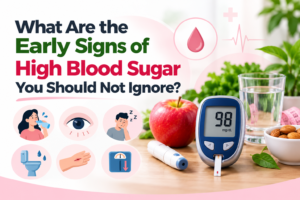
What Are the Early Signs of High Blood Sugar You Should Not Ignore?
High blood sugar does not cause the same symptoms in everyone. The following warning signs are worth understanding, especially when several occur together or continue over time.
1. Why Are You Feeling Thirsty All the Time?
One common sign is feeling unusually thirsty, even after drinking water. When blood glucose levels become too high, the kidneys try to remove the extra glucose through urine. This process can cause the body to lose more water. As a result, you may feel thirsty more often than usual or notice that your mouth feels dry. Hot weather, exercise, and dehydration can also cause thirst, so this symptom alone does not confirm diabetes. If excessive thirst continues without a clear reason, consider discussing it with a healthcare professional.
2. Why Are You Going to the Bathroom More Often?
Frequent urination can happen when the kidneys work to remove excess glucose from the blood. You may need to pass urine more often during the day or wake up several times at night. This can interrupt your sleep and leave you feeling tired the next morning. Although drinking large amounts of water can naturally increase urination, a persistent change in your usual pattern deserves attention.
3. Why Do You Feel Hungry Even After Eating?
Your body may have difficulty using glucose properly when insulin is insufficient or does not work effectively. Even when glucose is present in the blood, your cells may not receive the energy they need. This can lead to increased hunger. You may feel like eating again soon after a meal, even if you have eaten enough food. Frequent hunger can have many causes, including changes in activity, sleep, and eating habits. If it occurs alongside excessive thirst or frequent urination, blood sugar testing may be helpful.
4. Why Are You Losing Weight Without Trying?
Unexpected weight loss can sometimes be a sign of diabetes, particularly when blood sugar is very high. If the body cannot use glucose properly, it may begin breaking down stored fat and muscle for energy. You might notice that your clothes become loose even though you have not changed your diet or exercise routine. Unexplained weight loss should not be ignored. It can occur for several medical reasons, and a healthcare professional can help determine the cause.
5. Why Do You Feel Tired Even After Sleeping?
Feeling tired from time to time is normal. However, ongoing tiredness without a clear reason may be associated with high blood sugar. When glucose cannot be used effectively by your cells, your body may struggle to obtain the energy it needs. Dehydration and disturbed sleep caused by frequent urination can also contribute to fatigue. If tiredness continues for several days or affects your daily activities, discuss it with a healthcare professional instead of assuming it is simply a result of a busy routine.
6. Why Does Your Vision Sometimes Become Blurry?
High blood sugar can affect the amount of fluid in the eye and change the shape of the lens temporarily. This may cause blurred vision or difficulty focusing.You might notice that printed words look unclear or that your vision changes throughout the day.Sudden vision changes should receive prompt medical assessment. Do not assume that blurred vision is caused by diabetes without an eye examination and appropriate medical evaluation.
7. Why Are Your Cuts and Wounds Healing Slowly?
Persistently high blood sugar can affect blood vessels, nerves, and the body’s ability to respond to infection. As a result, some wounds may take longer to heal. Pay attention to cuts, blisters, or sores, particularly on your feet. Keep wounds clean and seek medical advice if healing is delayed, redness spreads, swelling develops, or you notice discharge. People living with diabetes should check their feet regularly because small injuries may sometimes go unnoticed.
8. Can Frequent Infections Be Linked to High Blood Sugar?
Repeated skin infections, fungal infections, or urinary tract infections can sometimes be associated with high blood sugar. Glucose levels and changes in the body’s normal defenses can contribute to an environment in which certain infections develop more easily. However, frequent infections do not automatically mean that you have diabetes. If infections keep returning, seek medical advice to identify the underlying cause.
9. Can Dry Skin, Itching, or Tingling Be Warning Signs?
Dry, itchy skin may occur when the body loses fluid through increased urination. Tingling, burning, or numbness in the hands and feet can sometimes occur when diabetes-related nerve damage develops. These symptoms have other possible causes, too. Persistent numbness, worsening tingling, or unexplained itching should be assessed rather than treated with home remedies alone. Recognizing symptoms early can help you understand whether High Blood Sugar Treatment in Indore or another form of medical care may be appropriate after proper testing.
Why Can High Blood Sugar Go Unnoticed?
High blood sugar does not always cause clear warning signs. Some people with Type 2 diabetes feel normal for months or even years before the condition is discovered during a routine health check. This happens because blood sugar may rise slowly. The body can adjust to gradual changes, making symptoms less noticeable. A person may not realize that increased thirst, tiredness, or frequent urination could be related to glucose levels.
People with a family history of diabetes, excess body weight, limited physical activity, or a history of gestational diabetes may have a higher risk of developing Type 2 diabetes. Regular health checks can help identify a problem before noticeable symptoms develop. Dr. Anjali Verma can be a local option for people who want to discuss diabetes screening and understand their blood sugar results. Remember that feeling healthy does not always mean your blood sugar is normal. High Blood Sugar Treatment in Indore may be relevant when testing confirms elevated glucose, but the right approach depends on the underlying cause and individual health needs.
What Causes Blood Sugar Levels to Rise?
Several factors can affect blood sugar. Understanding them can help you make informed decisions about your health.
Insulin Resistance
Insulin resistance happens when the body’s cells do not respond properly to insulin. The pancreas may initially produce more insulin to compensate, but blood glucose can rise if the body cannot keep up with the demand. Insulin resistance is commonly associated with Type 2 diabetes and can develop alongside other metabolic health problems.
Family History
Having a parent or sibling with diabetes can increase your risk. However, family history does not mean that you will definitely develop diabetes. Healthy habits and appropriate screening can help you understand and manage your risk.
Eating Habits
Food choices can influence blood glucose levels. Sugary drinks, sweets, and large portions of carbohydrate-rich foods can cause blood sugar to rise, although the effect varies depending on the food, portion size, and individual health. You do not need to stop eating all carbohydrates. Choosing balanced meals with vegetables, protein, fibre-rich foods, and appropriate portions can help support healthier glucose levels.
Limited Physical Activity
Your muscles use glucose for energy. Regular physical activity can help your body respond better to insulin. Sitting for long periods and getting very little exercise may contribute to insulin resistance over time.
Stress and Poor Sleep
Stress hormones can increase blood glucose levels. Poor sleep may also affect the hormones involved in hunger and glucose control. Managing stress, maintaining a regular sleep schedule, and staying physically active can support overall health.
Certain Medicines and Illnesses
Some medicines, including corticosteroids, can raise blood glucose. Illness and infections may also temporarily increase glucose levels. Never stop prescribed medicine on your own. Speak with your healthcare professional if you notice unusual blood sugar readings while taking medication.
When Should You Get Your Blood Sugar Tested?
If you notice possible warning signs, a blood test can help determine whether your blood sugar is elevated. Dr. Anjali Verma can be a local option for discussing symptoms, risk factors, and the tests that may be appropriate.
Common tests include:
Fasting blood glucose test: This measures blood sugar after you have not eaten for a specified period, usually at least eight hours.
HbA1c test: This estimates your average blood sugar level over approximately the previous two to three months. It does not usually require fasting.
Random blood glucose test: This measures blood sugar at a particular time, regardless of when you last ate. A healthcare professional may recommend it when symptoms are present.
For non-pregnant adults, commonly used diagnostic thresholds include:
| Test | Diabetes-range result |
|
Fasting blood glucose |
126 mg/dL or higher |
|
HbA1c |
6.5% or higher |
|
Two-hour glucose after an oral glucose tolerance test |
200 mg/dL or higher |
|
Random blood glucose |
200 mg/dL or higher when accompanied by classic symptoms or a hyperglycemic crisis |
These values are diagnostic thresholds, not a way to diagnose yourself. In the absence of clear symptoms or an emergency, an abnormal result generally needs confirmation with repeat testing or another appropriate test. Different considerations apply during pregnancy.
If you are concerned about your readings, High Blood Sugar Treatment in Indore should begin with an accurate assessment rather than guessing which medicine or diet you need.
How Can You Manage High Blood Sugar Safely?
Managing high blood sugar involves understanding your results, following an appropriate treatment plan, and making sustainable lifestyle changes. The right steps depend on whether you have diabetes, prediabetes, or another cause of elevated glucose.
1. Choose Balanced Meals
Try to include vegetables, protein, and fibre-rich foods in your meals. Options such as dal, beans, vegetables, whole grains, eggs, and unsweetened curd may fit into a balanced eating pattern, depending on your dietary needs. Pay attention to portion sizes. You can still enjoy familiar foods such as roti and rice, but the amounts and combination of foods matter.
2. Drink Enough Water
Water helps prevent dehydration. Choose water regularly instead of relying on sugary drinks, sweetened juices, or soft drinks. If you have a medical condition that requires fluid restriction, follow your healthcare professional’s advice.
3. Stay Physically Active
Walking, cycling, dancing, and other activities you enjoy can help improve insulin sensitivity. Many adults can aim for around 150 minutes of moderate physical activity each week, building up gradually according to their abilities and health. If you use insulin or certain diabetes medicines, ask your healthcare professional how to exercise safely because physical activity can sometimes cause low blood sugar.
4. Get Enough Sleep
Most adults benefit from around seven to nine hours of sleep each night. A regular sleep schedule may support better energy levels and overall metabolic health.
5. Take Medicines as Prescribed
Some people can manage early blood sugar changes through lifestyle measures, while others need medication. People with Type 1 diabetes require insulin. Do not start, stop, or change medication without medical advice. If your blood sugar remains high despite following your treatment plan, arrange a review.
6. Monitor Your Progress
If monitoring is recommended, record your readings and note when you checked them, whether you had eaten, and any symptoms you experienced. These details can help your healthcare professional identify patterns and decide whether your treatment plan needs adjustment. For people seeking High Blood Sugar Treatment in Indore, Dr. Anjali Verma is one local option to consider for discussing diabetes management and follow-up care. The treatment plan should be based on the person’s medical assessment rather than a standard approach for everyone.
Where Can You Seek Diabetes Care in Indore?
Finding appropriate medical care close to home can make it easier to attend appointments, complete recommended tests, and follow up on treatment. People living in Nipania may look for a best diabetologist in Nipania indore when they want help understanding elevated blood sugar, diabetes risk factors, or ongoing glucose management. Dr. Anjali Verma is associated with B Healthy Clinic in Nipania, Indore.
Residents searching for Diabetes Treatment in Vijay Nagar Indore can look for a qualified medical professional who evaluates blood glucose levels, explains test results, and recommends an appropriate treatment plan. Similarly, people searching for a Diabetes Specialist in Mahalaxmi Nagar Indore may consider the clinic’s location, professional qualifications, appointment availability, and the services offered.
Patients looking for the Best Diabetes Doctor in Indore should focus on verified qualifications, relevant experience, clear communication, and continuity of care rather than relying on promotional claims alone.
Nearby areas such as Bicholi Mardana and other parts of Indore may also be relevant when choosing a convenient clinic. Check the current address and appointment details before visiting.
When Should You Seek Urgent Medical Attention?
Some symptoms of high blood sugar require immediate medical attention. Do not wait for a routine appointment if you experience warning signs of a serious complication.
Seek emergency care if you or someone else develops:
- Vomiting or severe abdominal pain
- Deep, rapid, or difficult breathing
- Confusion or unusual drowsiness
- Severe weakness or dehydration
- Fruity-smelling breath along with other concerning symptoms
These can be signs of diabetic ketoacidosis or another serious medical problem. Diabetic ketoacidosis can occur in people with Type 1 or Type 2 diabetes and requires urgent treatment.
If your glucose meter shows a very high reading, follow your established medical advice and seek urgent guidance, especially if you feel unwell. Do not delay emergency care while trying home remedies.
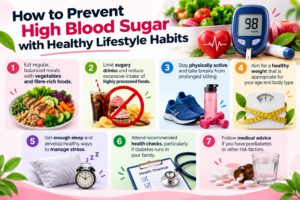
How Can You Reduce Your Risk of High Blood Sugar?
Although not every case of diabetes can be prevented, several everyday habits can help reduce the risk of Type 2 diabetes and support general health.
- Eat regular, balanced meals with vegetables and fibre-rich
- Limit sugary drinks and reduce excessive intake of highly processed
- Stay physically active and take breaks from prolonged
- Aim for a healthy weight that is appropriate for your
- Get enough sleep and develop healthy ways to manage
- Attend recommended health checks, particularly if diabetes runs in your
- Follow medical advice if you have prediabetes or other risk
Small, steady changes are often easier to maintain than sudden, strict diets. People who already have diabetes should continue their prescribed treatment even when they feel well.
High Blood Sugar Treatment in Indore is not only about lowering a number on a test report. It also involves identifying the cause, protecting long-term health, and finding a realistic plan that suits the person’s needs.
Frequently Asked Questions About High Blood Sugar
1. What are the first warning signs of high blood sugar?
Common warning signs include increased thirst, frequent urination, tiredness, increased hunger, blurred vision, and unexplained weight loss. Some people may also experience slow wound healing or repeated infections. These symptoms can have other causes, so a blood test is needed to check whether diabetes or another condition is responsible.
2. Can high blood sugar occur without noticeable symptoms?
Yes. Some people with early Type 2 diabetes have few or no noticeable symptoms. The condition may be discovered during a routine health check or blood test. People with diabetes risk factors should discuss appropriate screening with a healthcare professional, even when they feel healthy.
3. How can I find a best diabetologist in Nipania indore?
When searching for a best diabetologist in Nipania indore, check the doctor’s verified qualifications, experience relevant to your needs, clinic location, and approach to explaining test results and treatment options. Dr. Anjali Verma, associated with B Healthy Clinic in Nipania, is one local option to research. Confirm current services and appointment availability before visiting.
4. Where can I look for Diabetes Treatment in Vijay Nagar Indore?
For Diabetes Treatment in Vijay Nagar Indore, look for a qualified medical professional who can assess symptoms, recommend appropriate testing, and develop a treatment plan based on your results. If you live in Vijay Nagar, you may also compare clinics in nearby areas according to travel distance and follow-up availability.
5. How do I choose a Diabetes Specialist in Mahalaxmi Nagar Indore?
When comparing options for a Diabetes Specialist in Mahalaxmi Nagar Indore, consider qualifications, relevant clinical experience, access to recommended testing, communication, and ongoing care. Choose a professional who explains your results clearly and helps you understand your treatment choices without making unrealistic promises.
6. Who is the best Diabetologist in Indore?
There is no single objective answer to who is the Best Diabetes Doctor in Indore, because the right choice depends on your medical needs, the doctor’s verified qualifications, and your experience of care. Dr. Anjali Verma is associated with diabetes and general medicine care at B Healthy Clinic in Nipania. Review verified professional information and confirm whether the clinic offers the services you need.
7. Can high blood sugar be controlled through lifestyle changes?
Healthy eating, regular activity, sufficient sleep, and weight management can help improve blood sugar control. However, lifestyle changes alone may not be enough for everyone.
Some people need medication or insulin. Follow a treatment plan recommended by a qualified healthcare professional, and do not stop prescribed medicines because your readings improve
8. When should I seek medical help for high blood sugar?
Arrange medical evaluation if you have persistent thirst, frequent urination, unexplained weight loss, blurred vision, or unusual tiredness. Seek emergency care for symptoms such as vomiting, abdominal pain, deep or difficult breathing, confusion, or severe drowsiness. These may indicate a serious complication requiring immediate treatment.
Conclusion: Why Should You Pay Attention to Early Signs of High Blood Sugar?
Early warning signs such as unusual thirst, frequent urination, tiredness, blurred vision, and unexplained weight loss deserve attention, particularly when several occur together. Although these symptoms do not always indicate diabetes, recognizing persistent changes can help you seek testing before a problem goes unnoticed.
A blood glucose test, HbA1c test, and appropriate medical evaluation can help establish whether your blood sugar is high and whether further investigation or treatment is needed. If you live in Nipania, Vijay Nagar, Mahalaxmi Nagar, Bicholi Mardana, or another part of Indore, choose medical care that is convenient and suited to your needs. Dr. Anjali Verma at B Healthy Clinic is one option to consider when researching local diabetes care.